

[ad_1]
NEWYou can now listen to Fox News articles!
“Drinking your calories” is typically discouraged where weight loss is concerned, as sweeteners in soda, coffees and other beverages are known obesity drivers.
A new review by researchers at the University of Colorado Anschutz suggests that fructose alone may drive metabolic disease via sugar consumption.
The study, published in Nature Metabolism, took a closer look at the role of certain sweeteners, like table sugar and high-fructose corn syrup, in obesity and metabolic disease. Both types contain glucose and fructose.
BMI IS WRONG WAY TO MEASURE OBESITY, RESEARCHERS SAY — HERE’S WHAT THEY RECOMMEND INSTEAD
Glucose ingestion may lead to obesity by stimulating insulin secretion, but fructose has “unique metabolic effects that promote triglyceride synthesis and fat accumulation,” according to the study authors.
Triglyceride synthesis is the process by which the body builds triglycerides, the main form of stored fat.

Researchers concluded that fructose acts as a “metabolic signal that promotes fat production and storage in ways that differ fundamentally from glucose.” (iStock)
“Under modern conditions of overnutrition, chronic excess fructose drives features of metabolic syndrome,” the authors wrote. “Emerging evidence further links fructose to cancer and dementia.” (In this context, “overnutrition” means the body is consistently getting more calories and nutrients than it needs.)
In a university press release, lead study author Richard Johnson, MD, professor at the University of Colorado Anschutz, confirmed that “fructose is not just another calorie.”
“It acts as a metabolic signal that promotes fat production and storage in ways that differ fundamentally from glucose,” he wrote.
YOUR DAILY DIET SODA COULD BE AGING YOUR BRAIN FASTER THAN YOU THINK, STUDY FINDS
The report suggests that fructose may contribute to disease because it skips important steps in how the body processes energy. This can lead to more fat production, lower cellular energy, and the buildup of a compound associated with metabolic dysfunction.
“Over time, these effects may contribute to metabolic syndrome, a cluster of conditions that includes obesity, insulin resistance and cardiovascular risk,” the researchers confirmed.
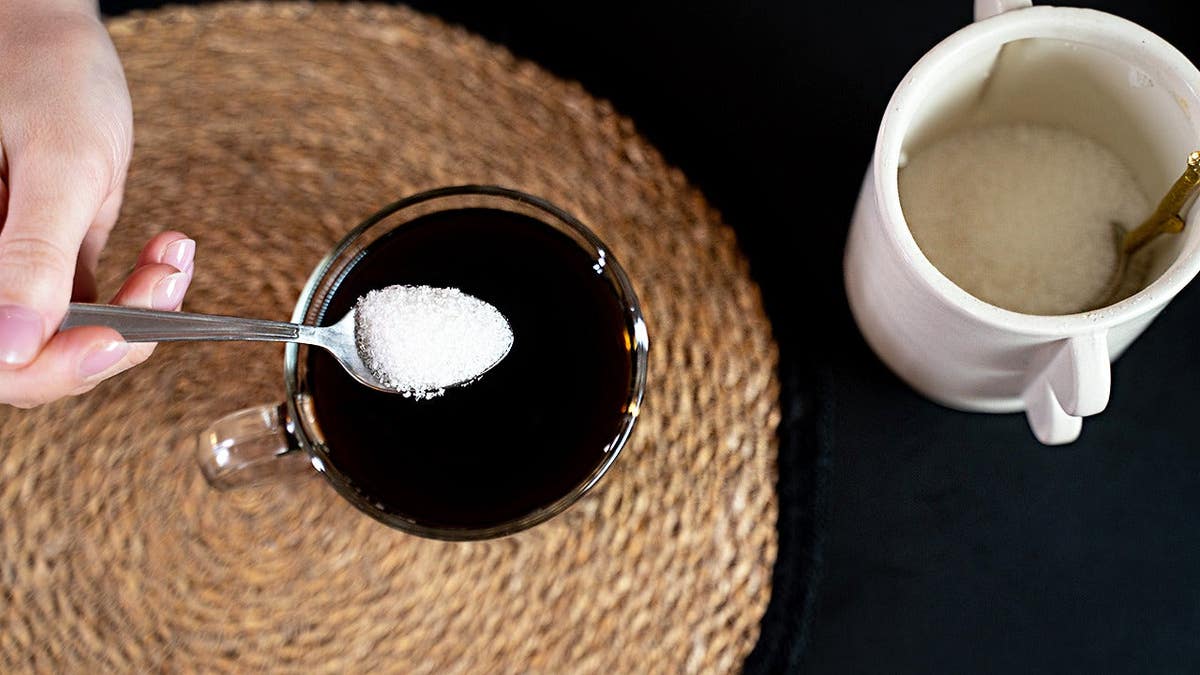
Sugar substitutes are widely used for weight management, and some, like stevia and monk fruit, do not contain fructose. (iStock)
The authors added that fructose can also be produced internally from glucose, which suggests that its role in disease may be bigger than previously assumed.
CLICK HERE TO DOWNLOAD THE FOX NEWS APP
“This review highlights fructose as a central player in metabolic health,” Johnson commented. “Understanding its unique biological effects is critical for developing more effective strategies to prevent and treat metabolic disease.”
As this research is a review, it only interprets existing evidence instead of proving a new result, posing a limitation to the findings.
CLICK HERE FOR MORE HEALTH STORIES
In an interview with Fox News Digital, certified holistic nutritionist Robin DeCicco shared that fructose is processed differently than other sugars, as it is mostly pushed through the liver, placing more of a burden on the organ.
“Unlike glucose, fructose metabolism … [can] make the liver turn the sugar into fat more easily, which is why the study said that it can lead to triglyceride regeneration,” said the New York City-based expert. “Triglycerides are fat deposits in the arteries.”

Fructose is processed differently than other sugars, as it is mostly pushed through the liver, placing more of a burden on the organ. (iStock)
Another reason fructose may contribute to insulin resistance, blood sugar spikes and diabetes is that increased fat buildup in the body can interfere with insulin signaling, according to the nutritionist.
“Your pancreas doesn’t know how to keep up with the signaling of insulin, so it has to produce more and more insulin, and that’s what turns into diabetes,” she said.
CLICK HERE TO SIGN UP FOR OUR HEALTH NEWSLETTER
DeCicco noted that fructose can be found in processed sugars, as well as natural foods like fruits and vegetables. The healthy qualities of whole foods — like high-fiber apples or asparagus — help promote fullness and are less likely to spike blood sugar.
Some natural sweeteners, like stevia and monk fruit, do not contain fructose. These may serve as better alternatives for people keeping a close eye on their metabolic health, such as those with diabetes or obesity.

Fructose can be found in processed sugars, as well as natural foods like fruits and vegetables. (iStock)
Sweetening recipes with natural sugar byproducts, like apple sauce or apple juice, is another healthy alternative, DeCicco noted.
“Yes, there’s fructose because it is derived from apples, but you’re also getting antioxidants, vitamins, minerals and fiber,” she said.
TEST YOURSELF WITH OUR LATEST LIFESTYLE QUIZ
Maple syrup also has less fructose than honey, DeCicco added, and rice malt and glucose syrup have zero fructose.
“I’m not saying someone should go out of their way to use those, but if they already have a bad liver, if they’re overweight, if they’re diabetic … and if they need to bake or have something sweet, I would use one of those alternatives,” she said.
[ad_2]
Source link


Оновлення каталогу регулярні, щоразу додається щось під свіжу техніку. Колодки відходили цілий сезон активної їзди, і гальма досі тримають упевнено. Сумісність із моделями та роками випуску вказана в картці, тож більшість питань відпадає. Мотоциклістам з обмеженим бюджетом ціни на екіпірування не здадуться зависокими. Телефоном запчастину знаходять швидше, ніж у листуванні. Пошук одразу за своїм мотоциклом виручає, коли гортати весь каталог немає бажання. Конкретну службу доставки чи оплату на картку вказуєш у коментарі до замовлення. Репутацією власники явно дорожать, тому про можливу затримку попереджають заздалегідь. Шукаєте деталі на мотоцикл – ось мотозапчастини київ, пошук за моделлю тут працює нормально. Розмірну сітку кожного бренду дивлюся окремо, бо в різних виробників однакова літера означає різне.
Помогаем быстро перейти от консультации к конкретному плану: выезд, стационар или наблюдение.
Изучить вопрос подробнее – http://www.narcolog-na-dom-lugansk15.ru