

[ad_1]
NEWYou can now listen to Fox News articles!
An excess of sugary drinks can specifically lead to a higher risk of anxiety among teens, a new study shows.
In a meta-analysis published in the Journal of Human Nutrition and Dietetics, U.K. researchers reviewed various studies from 2000 to 2025.
They explored the link between drinking sugar-sweetened beverages — like sodas, energy drinks, sweetened juices, teas and coffee — and anxiety disorders in adolescents between 10 and 19 years old.
IS YOUR DIET MISSING A BRAIN-BOOSTING COMMON NUTRIENT? NEW ANXIETY STUDY RAISES CONCERN
Teens with a higher consumption of sugary drinks were found to have about a 34% greater risk of having an anxiety disorder compared to those who drank less.
Seven out of the nine studies analyzed by the researchers showed a significant positive association between sugary drinks intake and anxiety symptoms.

Teens who drank more sugar-sweetened beverages were found to have about a 34% higher chance of having an anxiety disorder. (iStock)
Study co-author Dr. Chloe Casey, a nutrition lecturer at Bournemouth University in the U.K., said the team was “struck by how consistent the association was between sugary drink consumption and anxiety in adolescents.”
“These findings align with a growing body of research showing that diets high in sugar are linked not only to physical health risks, but also to poorer mental health outcomes,” she told Fox News Digital. “This reinforces the emerging understanding that what adolescents eat and drink may meaningfully influence their mental health.”
RFK JR CALLS OUT POPULAR CHAINS OVER HIGH-SUGAR COFFEE DRINKS: WHAT’S REALLY IN YOUR CUP?
This introduces an opportunity to “reframe the conversation” when talking to teens about mental health, as diet is often not the focus, she said.
“Encouraging healthier dietary choices, including cutting back on sugary drinks, may help adolescents feel less anxious.”
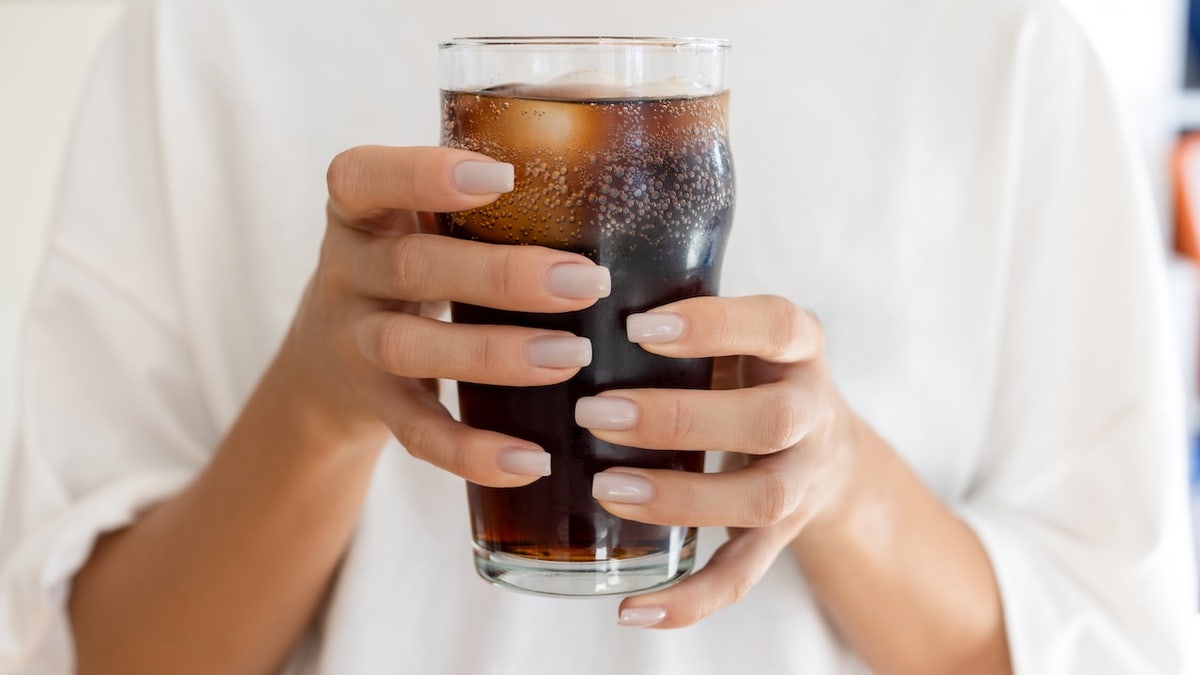
The study does not confirm a direct cause, but does show a strong association between sugary drinks and anxiety. (iStock)
The study was based on observational data, which does not prove that drinking sugary beverages directly causes anxiety. There is also not a clear indication of whether sugary drinks cause anxiety or if anxious teens are more inclined to drink them.
ALZHEIMER’S RISK TIED TO HOW THE BODY HANDLES SUGAR AFTER EATING, STUDY FINDS
“While we may not be able to confirm at this stage what the direct cause is, this study has identified an unhealthy connection between consumption of sugary drinks and anxiety disorders in young people,” Casey said in a press release statement.
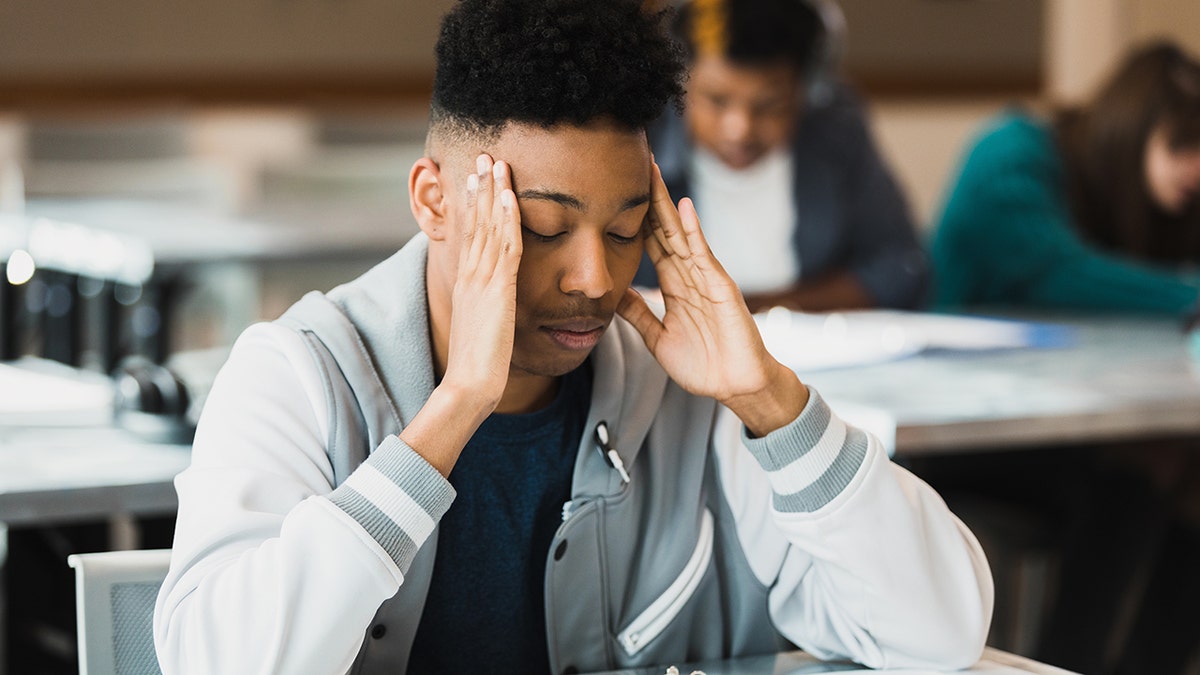
About 11% of American children between the ages of 3 and 17 have diagnosed anxiety, according to CDC data. (iStock)
Los Angeles-based registered dietitian nutritionist Ilana Muhlstein noted that while the study can’t prove causation, she “has no doubt” that other research would show similar results.
CLICK HERE TO SIGN UP FOR OUR HEALTH NEWSLETTER
“Soda, aka liquid sugar — with no fiber, protein or fat to slow absorption — floods the bloodstream faster than almost any other type of food or drink,” Muhlstein, who was not involved in the study, told Fox News Digital.
“The pancreas scrambles to respond, insulin spikes, blood sugar crashes and you are left in a dopamine deficit state that looks and feels just like anxiety,” she went on. “The sharper the spike, the deeper the crash.”
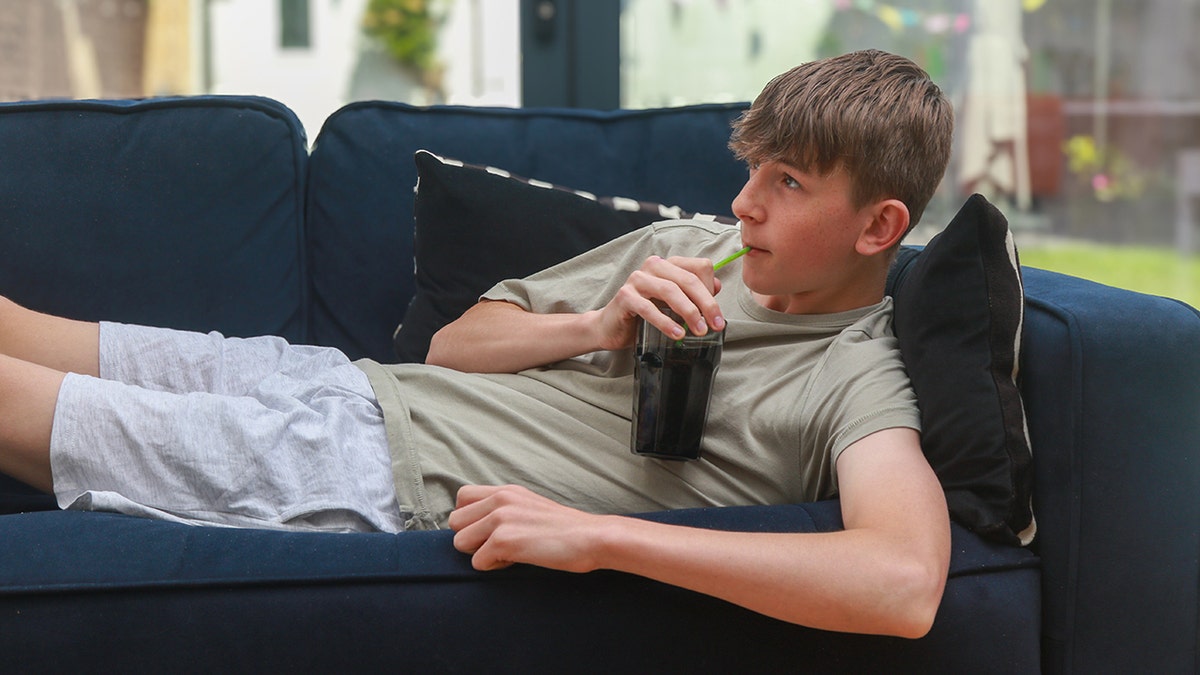
Sugary drinks are “liquid candy” to the body, one registered dietitian said. (iStock)
In her own practice, Muhlstein has found that teens are consuming less soda and more oat milk lattes, coffee drinks “loaded” with syrup, slushies and sports drinks.
Excessive blood sugar spikes can also affect weight, acne, sleep quality and emotional regulation, she shared, regardless of caffeine levels.
“What these kids drink makes a huge difference to their physical and emotional state, and caffeine on top of unstable blood sugar only makes it worse,” Muhlstein warned.
CLICK HERE FOR MORE HEALTH STORIES
Serena Poon, certified nutritionist, longevity expert and founder of Wholistic Lifestyle Medicine in Los Angeles, noted that food and beverages “are more than just fuel.”
“They provide information to the body and brain,” the expert, who also did not take part in the research, Fox News Digital. “What teens drink regularly can influence energy levels, mood stability and even how the nervous system responds to stress.”
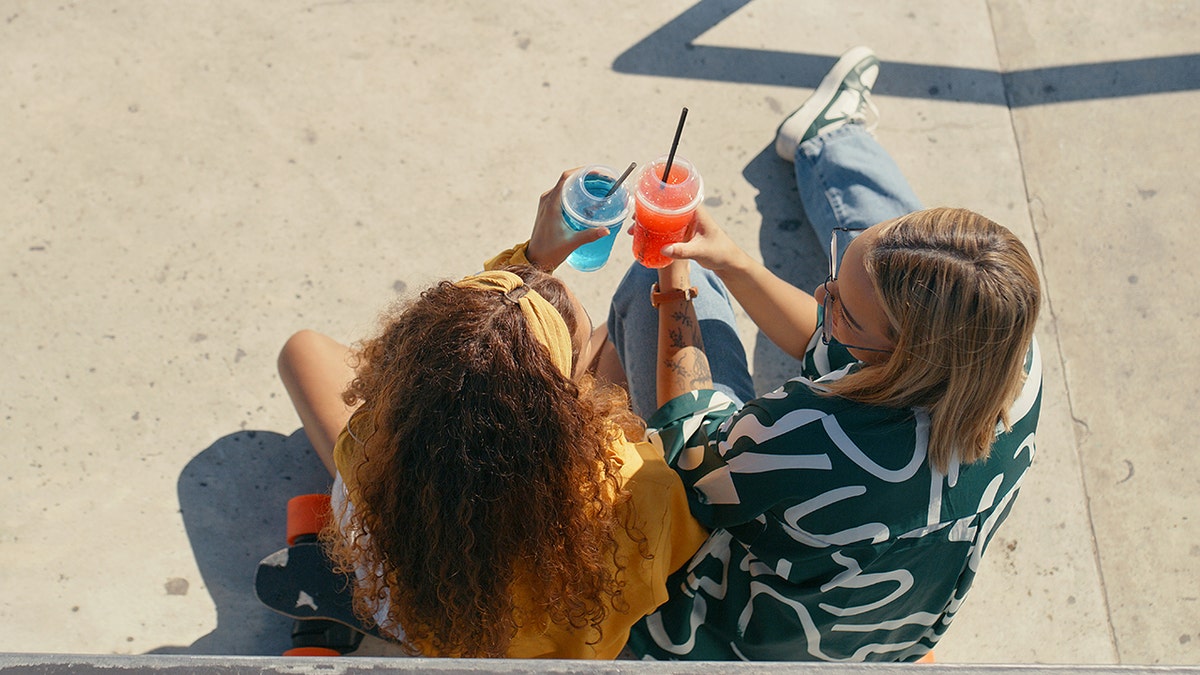
One expert advised parents to encourage more balance in their children’s diet and lifestyle habits. (iStock)
“Highly sweetened drinks can create quick energy highs followed by crashes, and when caffeine is added to the mix, it can amplify stress responses in the body.”
TEST YOURSELF WITH OUR LATEST LIFESTYLE QUIZ
Poon advised parents to encourage their kids to reduce the frequency of sugary beverages and to stay hydrated with water, herbal teas or sparkling water to support more stable energy levels.
Meals should also be balanced with fiber, healthy fats and proteins to stabilize blood sugar, which can impact mood and concentration.
“What these kids drink makes a huge difference to their physical and emotional state.”
“Adolescence is a critical window for brain development, so supporting teens with balanced nutrition, stable energy levels and adequate hydration may help support both physical and emotional well-being,” Poon added.
About 11% of American children between the ages of 3 and 17 were diagnosed with anxiety between 2022 and 2023, according to the Centers for Disease Control and Prevention.
CLICK HERE TO DOWNLOAD THE FOX NEWS APP
“Anxiety problems, behavior disorders and depression are the most commonly diagnosed mental disorders in children,” states the agency’s website.
Fox News Digital reached out to the American Beverage Association for comment.
[ad_2]
Source link


Ежедневный обзор: https://rysadba.ru/derevyannye-doma-foto/