[ad_1]
NEWYou can now listen to Fox News articles!
The Trump administration is taking another look at ending biannual clock changes, with an eye toward making daylight saving time (DST), or the “summer clock,” permanent.
On May 21, the House Energy and Commerce Committee advanced legislation that would make daylight saving time permanent in a 48-1 vote, part of a largely bipartisan push to end twice-yearly clock changes.
Although gaining extra winter evening daylight might seem like a win, health experts say permanent daylight saving time could disrupt people’s natural circadian rhythms.
TRUMP CHAMPIONS BID TO NIX CLOCK CHANGES BY ADOPTING PERMANENT DAYLIGHT SAVING TIME
In an interview with Fox News Digital, Dr. Wendy Troxel, a licensed clinical psychologist and senior behavioral scientist at RAND based in Utah, said science is being “misconstrued” in this decision.
“Ending the biannual clock change is something most sleep scientists and the public would welcome,” she said. “The disruption of springing forward every March is associated with real, measurable harm — spikes in car crashes, heart attacks and sleep deprivation.”
The Trump administration is taking another look at ending semiannual clock changes, with an eye toward making daylight saving time, or the “summer clock,” permanent. (iStock)
However, Troxel noted, implementing permanent daylight saving time is “not supported by science.” Instead, evidence “strongly supports” permanent standard time, or the “winter clock,” according to the expert.
Major sleep medicine organizations, including the American Academy of Sleep Medicine, have previously supported adopting permanent standard time over permanent daylight saving time.
HERE’S WHY 90% OF AMERICANS DON’T SLEEP THROUGH THE NIGHT, ACCORDING TO EXPERT
“Standard time is more closely aligned with human circadian biology, meaning the relationship between light, darkness and our internal clocks remains intact,” Troxel said.
“Permanent DST simply shifts an hour of morning sunlight to the evening, and there are significant health and safety costs of that trade.”
“Standard time is more closely aligned with human circadian biology,” the expert said. (iStock)
The U.S. attempted permanent DST in the early 1970s, but the plan was aborted in part due to these “morning consequences,” according to the sleep expert.
“Within a year, the law was repealed amid public displeasure with commuting to work and school in the dark and increases in morning car crashes, and with no demonstrable impact on energy savings,” Troxel told Fox News Digital.
Why morning sunlight matters
Human circadian rhythms are primarily “anchored” by morning light, Troxel said. Under permanent DST, most people waking up for work or school would be rising before the sun, which forces a “chronic misalignment between the body’s internal clock and the external world.”
FORCING AN EARLY WAKE-UP TIME COULD HARM YOUR HEALTH, SLEEP DOCTORS WARN
“You cannot override that biology by simply shifting external clocks forward,” the expert said. “What you get instead is a population that is effectively waking up in the middle of their biological night, every single day.”
CLICK HERE TO DOWNLOAD THE FOX NEWS APP
The public has typically supported having more daylight in winter evenings, which could alleviate mental health conditions such as seasonal depression.
Supporters of permanent daylight saving time argue that later evening daylight could encourage outdoor activity, recreation and consumer spending after work or school.
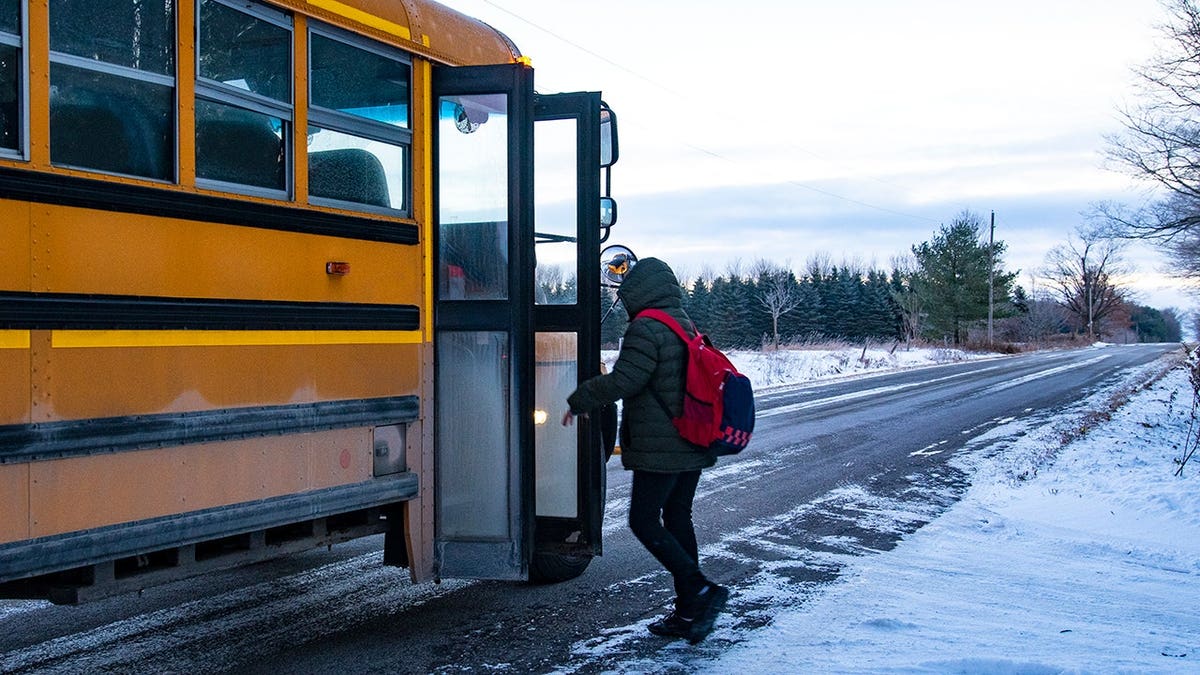
Morning light is “crucial to regulate sleep, [boost] alertness and support mental health,” according to a sleep expert. (iStock)
Troxel agreed that light is a “powerful regulator” for sleep and moods, but noted that not all types have the same benefits.
“Morning light is crucial to regulate sleep, alertness and support mental health, and this would be sacrificed with permanent daylight saving time,” she noted.
CLICK HERE FOR MORE HEALTH STORIES
In some areas of the country, like Utah, Americans wouldn’t see the sunrise until about 9 a.m. in the winter, which some research has linked to higher rates of depression and seasonal mood challenges.
TEST YOURSELF WITH OUR LATEST LIFESTYLE QUIZ
“More evening light may feel enjoyable, in part because we equate it with lovely summer evenings, but permanent daylight saving time does not mean permanent summer,” Troxel emphasized. “It just means we will get less morning sunlight and more evening sunlight.”
“Exposure to light in the evening further pushes circadian rhythms later, making it more difficult to fall asleep and harder to wake up in the morning.”
Risks for vulnerable groups
Permanent daylight saving time can intensify people’s habit of “bedtime procrastination,” deepen sleep deprivation and contribute to the widespread public health issue of insufficient sleep already identified by the Institute of Medicine, according to Troxel.
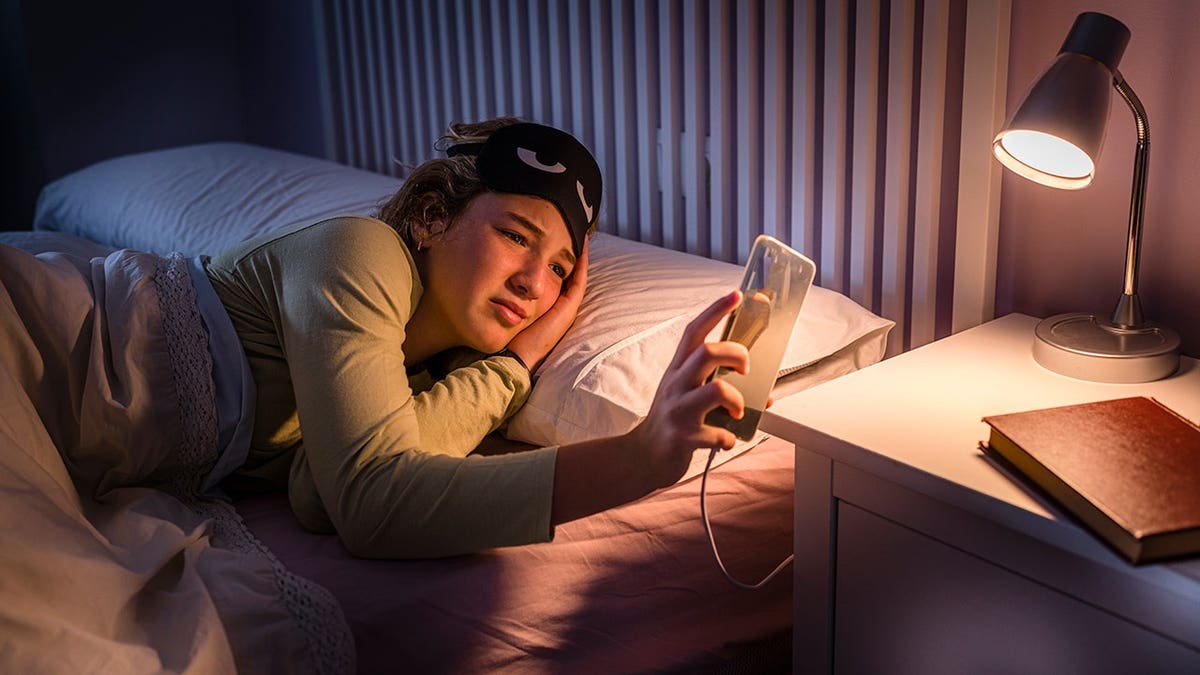
Teens are most at risk of mental health complications if permanent DST extends darkness in the morning. (iStock)
Various studies have shown that people typically sleep less in summer compared to winter. Troxel said this is particularly concerning in a society where one in three people are already getting insufficient shuteye.
“This is especially alarming for teenagers, a population the U.S. surgeon general has identified as being in a mental health crisis,” she cautioned.
CLICK HERE TO SIGN UP FOR OUR HEALTH NEWSLETTER
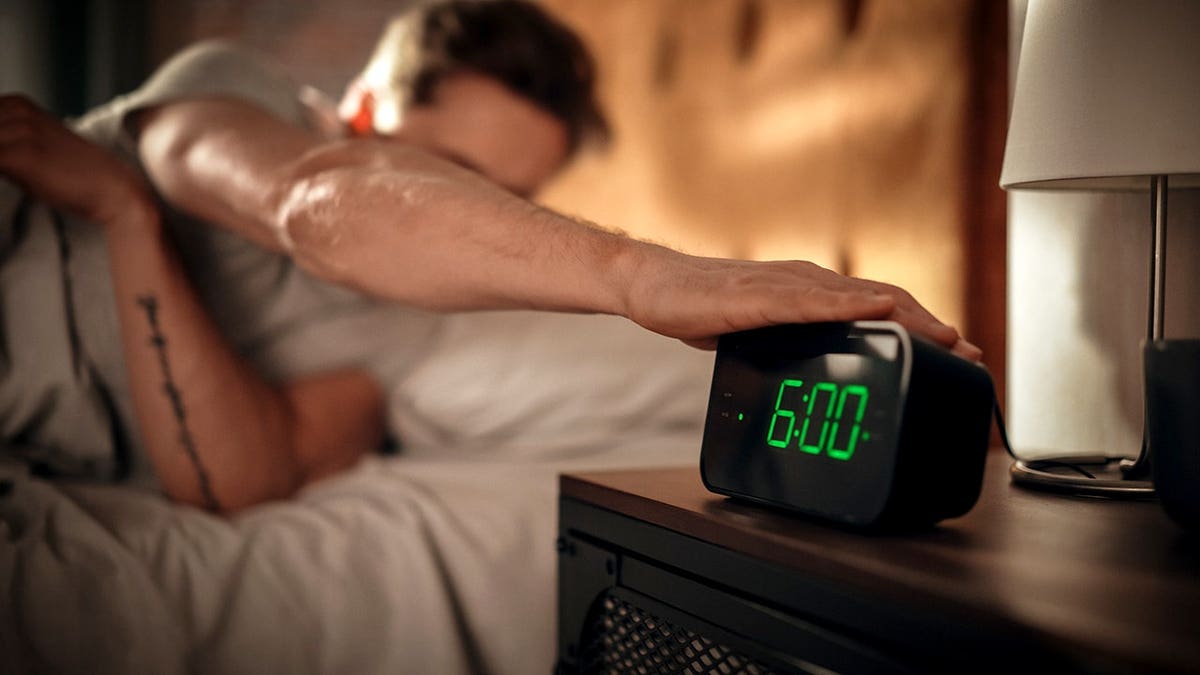
For example, a teen waking up at 6:30 a.m. for an 8 a.m. school start time under permanent DST would be rising biologically at 5:30 a.m., Troxel noted, which is “in the middle of their biological night.”
“Framing permanent DST as a fix for seasonal depression gets the science exactly backwards,” she added.
Fox News Digital’s Alex Nitzberg contributed to this report.
[ad_2]
Source link