

NEWYou can now listen to Fox News articles!
The Supreme Court on Wednesday pressed the lawyer for the Trump administration on so-called “birthright citizenship” protections in the U.S., part of a landmark court challenge that could upend more than a century of legal precedent and executive branch policy.
The questions come as justices weighed the legality of the executive order Trump signed on his first day back in office. The order in question seeks to end automatic citizenship — or “birthright citizenship” — for nearly all persons born in the U.S. to undocumented parents, or to parents with temporary non-immigrant visas in the U.S.
As oral arguments kicked off, justices appeared somewhat skeptical of the Trump administration’s arguments, including its view of the 14th Amendment, and pressed the Trump administration’s lawyer, U.S. Solicitor General D. John Sauer, on the administration’s reading of the citizenship clause.
Chief Justice John Roberts told Sauer that he viewed one of the key arguments made by the Trump administration in its case as “quirky.”
FEDERAL JUDGE BLOCKS TRUMP’S BIRTHRIGHT CITIZENSHIP BAN FOR ALL INFANTS, TESTING LOWER COURT POWERS
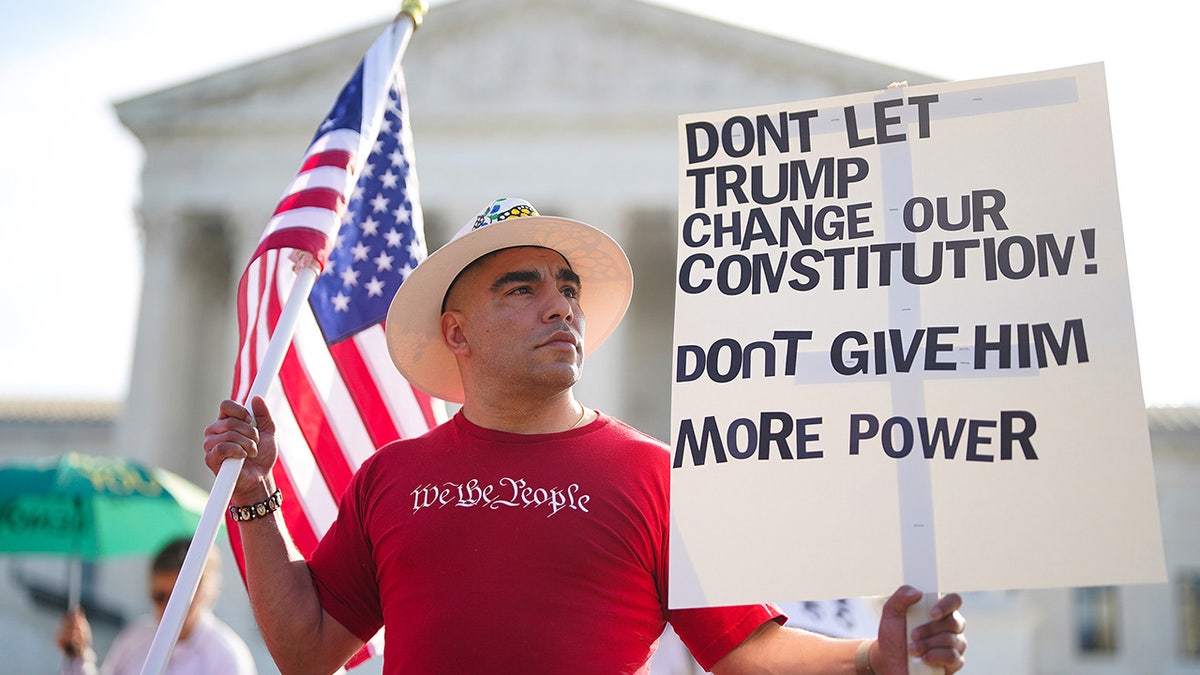
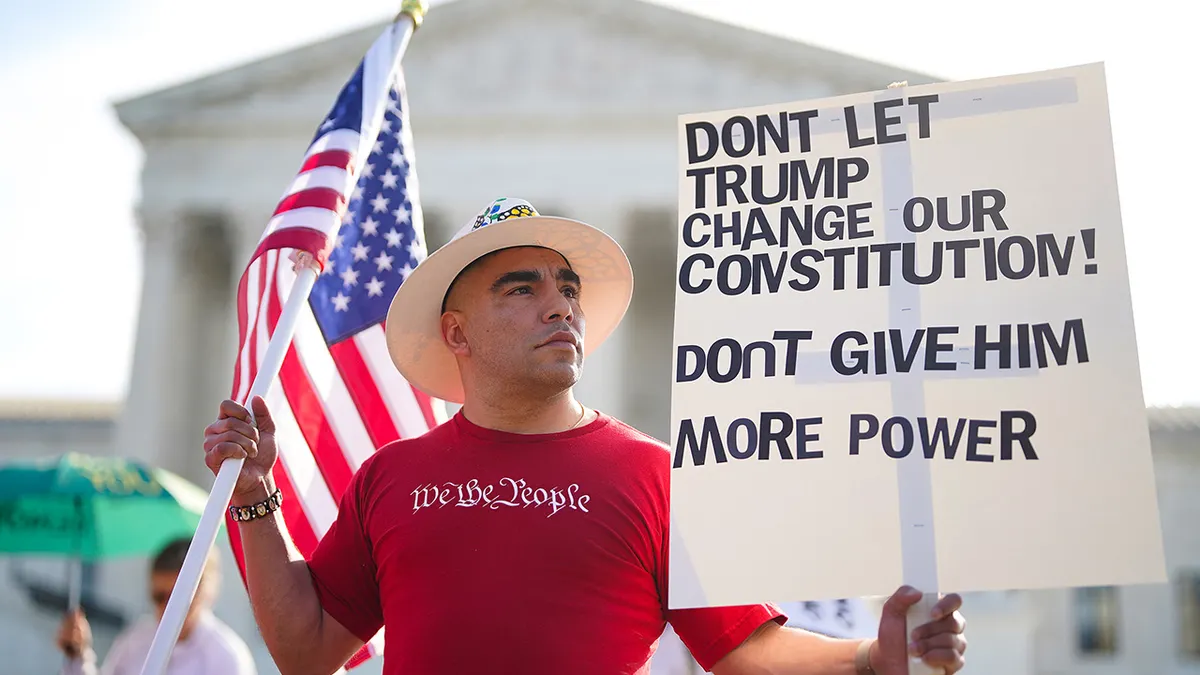
A demonstrator is seen outside the U.S. Supreme Court ahead of U.S. President Donald Trump’s expected arrival on April 1, 2026, in Washington, D.C. (Al Drago/Getty Images)
“You obviously put a lot of weight on [the] ‘subject to the jurisdiction thereof’ issue,” Roberts told Sauer. He noted the administration cited “children of ambassadors, children of enemies during a hostile invasion, children on warships. And then you expand it to a whole class of illegal aliens here in the country,” Roberts said. “I’m not quite sure how you can get to that big group from such tiny and sort of idiosyncratic examples.”
Justices Amy Coney Barrett and Neil Gorsuch also expressed skepticism during early questions, and pressed Sauer on key issues of precedent, enforcement, and the text of the citizenship clause itself.
“We’re in a new world now,” Sauer said, noting that “some 8 billion people are one plane ride away from having a child who’s a U.S. citizen.”
“It’s a new world, but it’s the same constitution,” Roberts said in response.
Trump’s executive order was immediately met with a flurry of federal lawsuits last year, and to date, no U.S. court has sided with the administration on the issue.
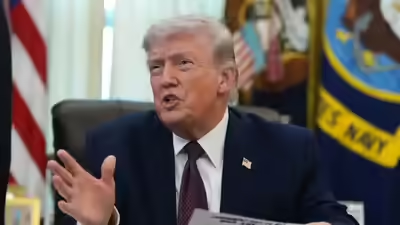
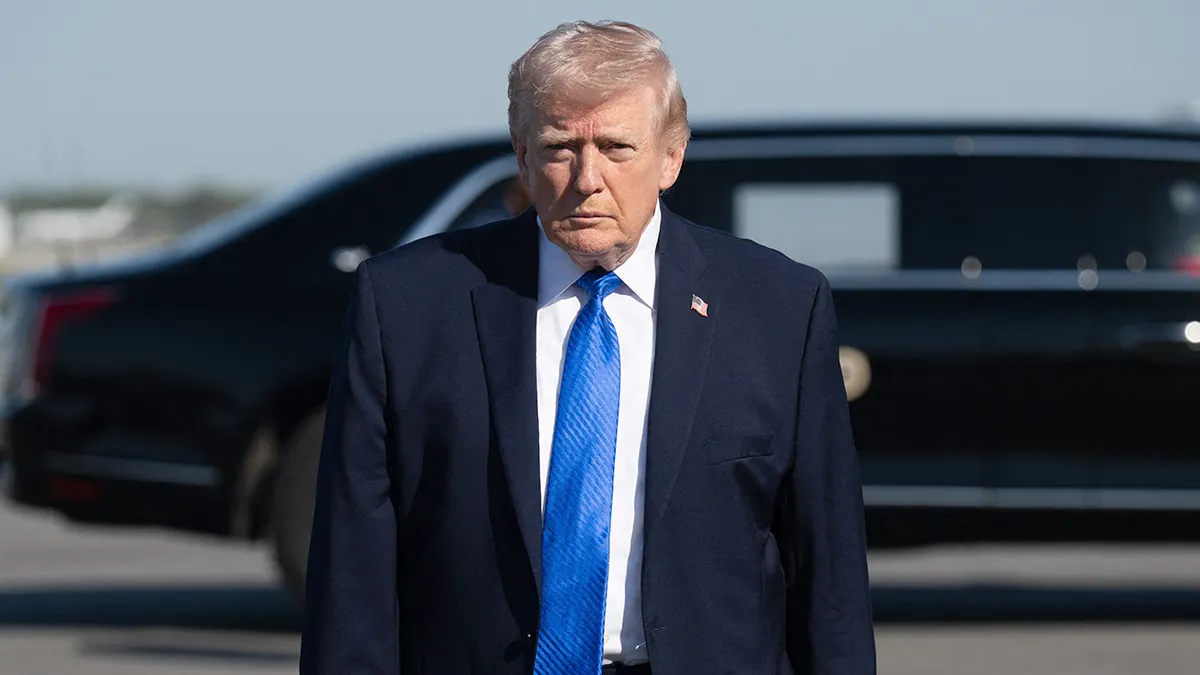
Trump himself attended Supreme Court oral arguments, making him the first sitting U.S. president to do so. Other administration officials, including Attorney General Pam Bondi, were also in the audience.
TRUMP TO BEGIN ENFORCING BIRTHRIGHT CITIZENSHIP ORDER AS EARLY AS THIS MONTH, DOJ SAYS
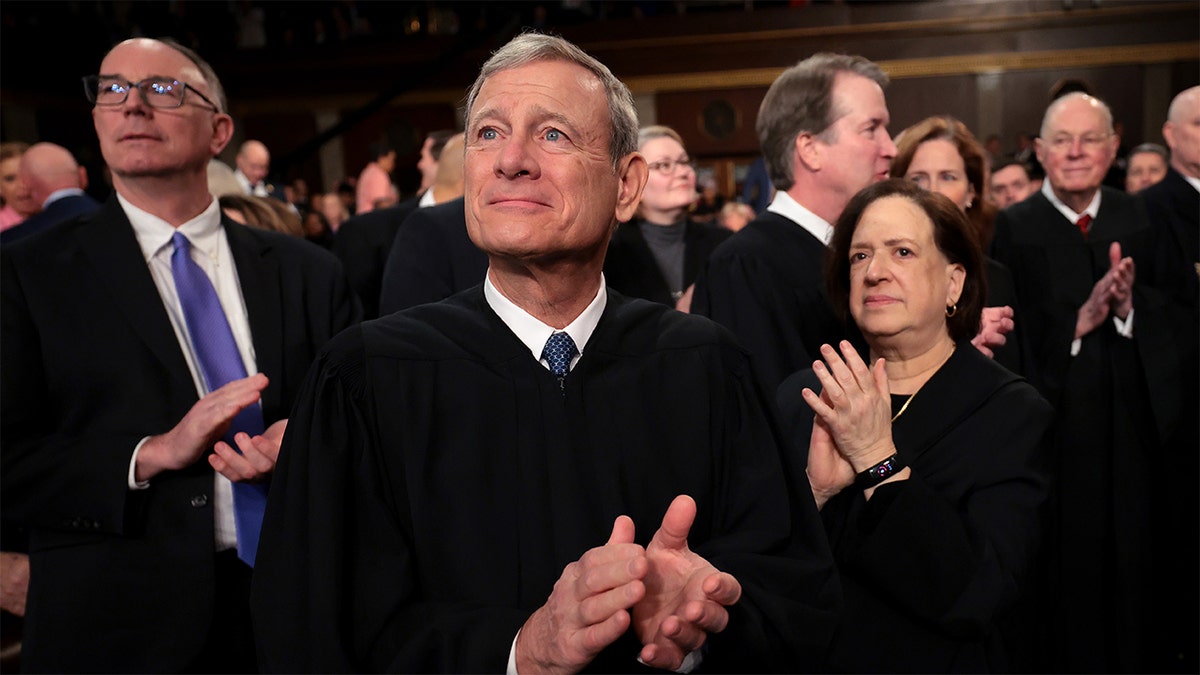
Supreme Court Chief Justice John Roberts and other justices on the high court are seen during President Donald Trump’s 2026 State of the Union address. (Win McNamee/Getty Images)
SUPREME COURT SIGNALS IT MAY LIMIT KEY VOTING RIGHTS ACT RULE
A ruling in Trump’s favor would represent a seismic shift for immigration policy in the U.S., and would upend long-held notions of citizenship that Trump and his allies argue are misguided.
It would also yield immediate, operational consequences for infants born in the U.S., putting the impetus on Congress and the Trump administration to immediately act to clarify their status.
CLICK HERE TO DOWNLOAD THE FOX NEWS APP
A decision from the high court is expected by late June.






Leave a Reply