[ad_1]
Hantavirus survivor shares diagnosis story amid outbreak concerns
Hantavirus survivor Jennifer Benewiat shares her harrowing story of contracting the deadly disease in 2010. She describes being on a ventilator, her heart stopping three times, and having to relearn basic motor skills. Fox News senior medical analyst Dr. Marc Siegel reassures viewers about current cases, noting differences from past outbreaks and the virus’s rarity.
NEWYou can now listen to Fox News articles!
The cruise ship passengers being monitored for hantavirus in Nebraska will be allowed to leave the medical facility before the end of a 42-day period if certain conditions are met, a public health official indicated Monday.
The individuals will remain at the facility in Nebraska for at least a few days during assessments, Brendan Jackson, acting director of the Division of High-Consequence Pathogens and Pathology at the Centers for Disease Control and Prevention’s National Center for Emerging and Zoonotic Infectious Diseases, said.
They will have the choice to stay in Nebraska all 42 days if they wish, but if they choose to return home, there will be several factors that play into the decision, such as whether “they remain symptom free,” he said.
Health officials will also assess whether passengers can safely isolate at home, maintain contact with local health departments and quickly access testing or medical care if symptoms develop.
AMERICANS EXPOSED TO HANTAVIRUS ABOARD CRUISE SHIP LAND IN NEBRASKA
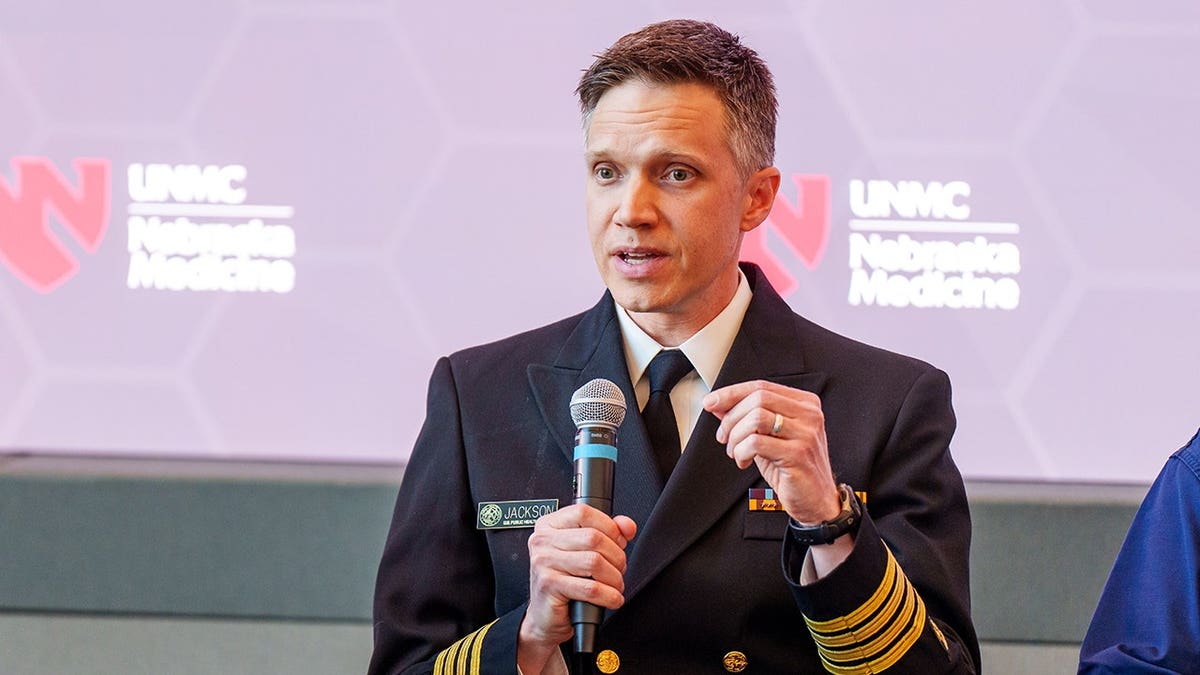
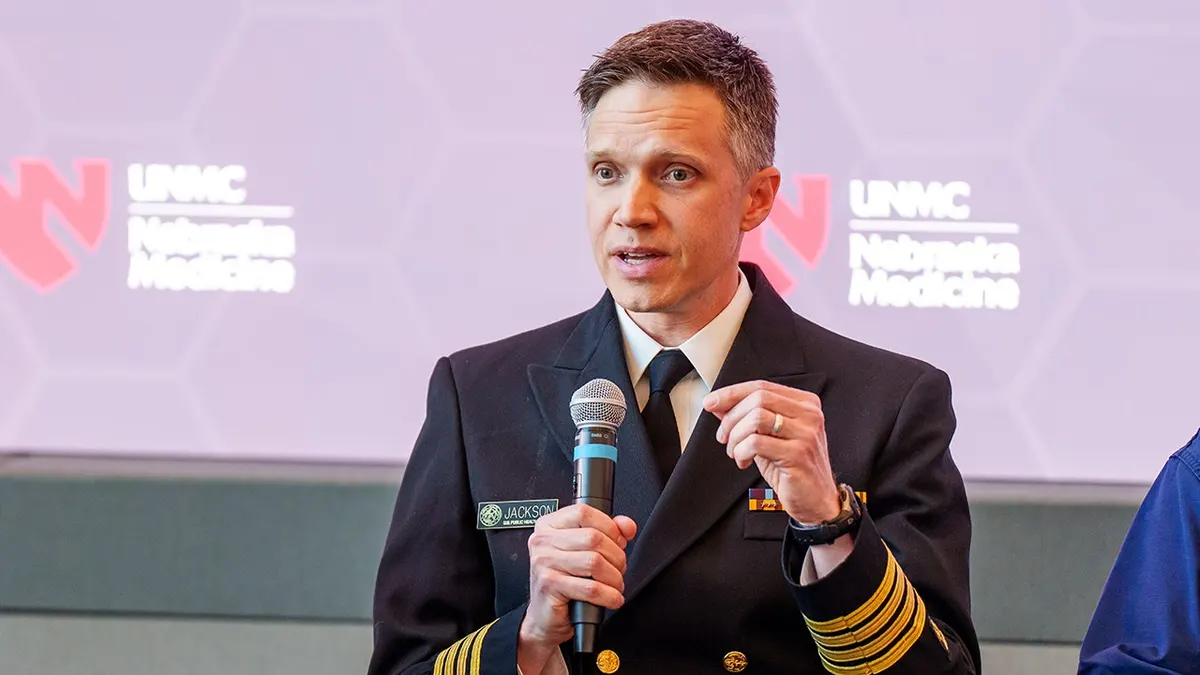
Brendan Jackson, MD, the Centers of Disease Control and Prevention acting director of the division of high-consequence pathogens and pathology, speaks during a press conference at the Davis Global Center at the University of Nebraska Medical Center campus, which holds the National Quarantine Unit, on May 11, 2026 in Omaha, Neb. (Dylan Widger/Getty Images)
Only those who can meet those standards, and whose home states can coordinate monitoring, will be cleared to leave.
Still, officials emphasized that the final decision will ultimately involve the passengers themselves.
“Yes,” Jackson said when asked if it would be their choice. “We want to do this in the least restrictive way possible… that protects the health and safety of both the passengers and their communities.”
Jackson noted passengers can remain at the facility for the full monitoring period if needed.
Of the 18 individuals transported back to the U.S. after a hantavirus outbreak tied to a cruise ship, 16 are now in Nebraska, while two are in Atlanta.
Fifteen of the individuals in Nebraska are in quarantine, while one was placed in the biocontainment unit, noted Michael Wadman, medical director of the National Quarantine Unit at University of Nebraska Medical Center.

Angela Hewlett, MD, the medical director of Nebraska Biocontainment Unit speaks during a press conference at the Davis Global Center at the University of Nebraska Medical Center campus, which holds the National Quarantine Unit, on May 11, 2026 in Omaha, Neb. (Dylan Widger/Getty Images)
Angela Hewlett, medical director of the Nebraska Biocontainment Unit, noted during the press conference that the individual in the biocontainment unit previously had an “equivocal positive test,” which she noted was “not in the United States. The person was not experiencing any symptoms, she said.
One of the passengers transported to Atlanta was symptomatic, Matthew Ferreira of HHS noted.
The risk hantavirus poses to the general public is “very, very low,” Assistant Secretary for Health at the U.S. Department of Health and Human Services Adm. Brian Christine said during the news conference.
“The Andes variant of this virus does not spread easily and it requires prolonged, close contact with someone who is already symptomatic,” he explained.
HANTAVIRUS OUTBREAK TIMELINE HIGHLIGHTS KEY MOMENTS IN DEADLY CRUISE CRISIS

This aerial picture shows a general view of the cruise ship MV Hondius stationary off the port of Praia, the capital of Cape Verde, on May 4, 2026. (AFP via Getty Images)
CLICK HERE TO DOWNLOAD THE FOX NEWS APP
The CDC explains online that “Andes virus is the only type of hantavirus that is known to spread person-to-person. This spread is usually limited to people who have close contact with a sick person. This includes direct physical contact, prolonged time spent in close or enclosed spaces, and exposure to the sick person’s body fluids.”
Fox News Digital’s Stephen Sorace contributed to this report.
[ad_2]
Source link